“She has to find herself yet…She’s all here, but the parrts of her have not learned to work together yet.”
– Rudyard Kipling, The Ship That Found Herself
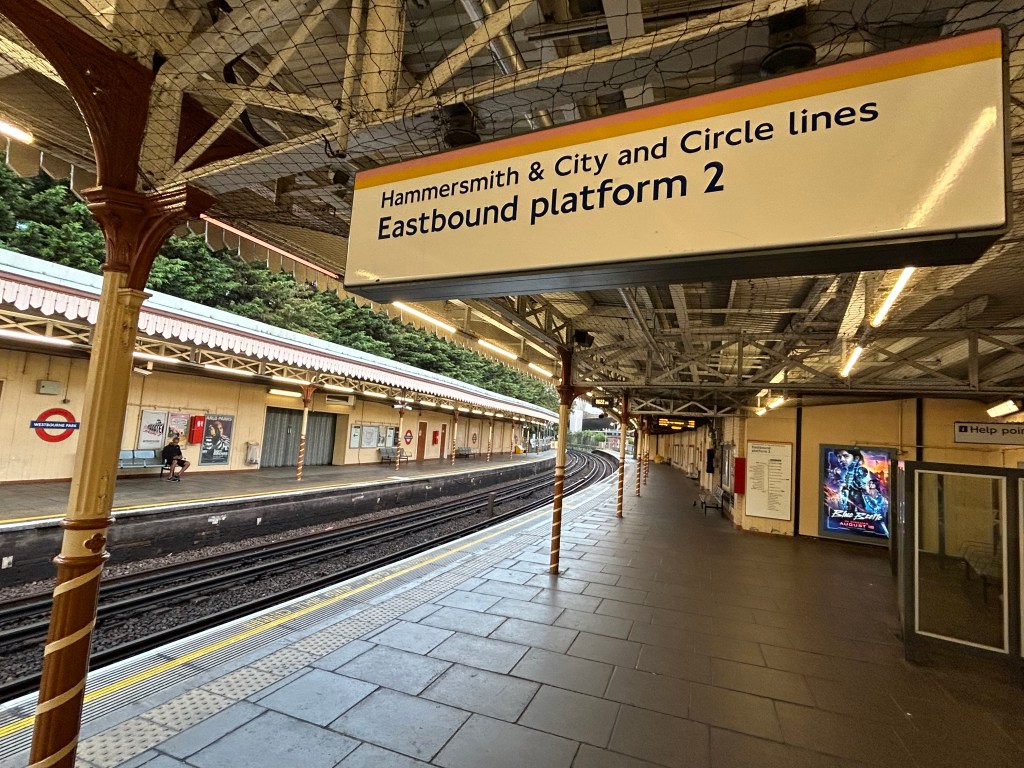
In the bustling heart of London, where the streets hum with ceaseless toil, the Circle Line train was a fledgling amidst the iron veins of the Underground.
“I am all here,” she would whisper to herself, feeling the thrum of electricity in her cables. “But my parts have not yet learned to dance together in harmony.”
The Tracks, stout and ever-winding, would scoff softly.
“We bear the weight of the world above and below; it is on us that the whole dance depends,” they would say. The Coaches, snugly coupled, would grumble about the crush of passengers.
“We are the bearers of the city’s lifeblood, day in and out, without a moment’s peace.”
And the Electricity, veteran of many a journey, would swirl around in lofty, light-speed eddies, saying, “I have seen the rise and fall of many a day, and in my leisure, I have roamed from the heights of the clouds to the depths of the gutters. What tales I could tell!”
And so, as the Circle Line train wound her way through tunnels old and stations new, she began to find herself, each part learning its place and purpose in the grand, unending loop beneath the streets of Old London Town.
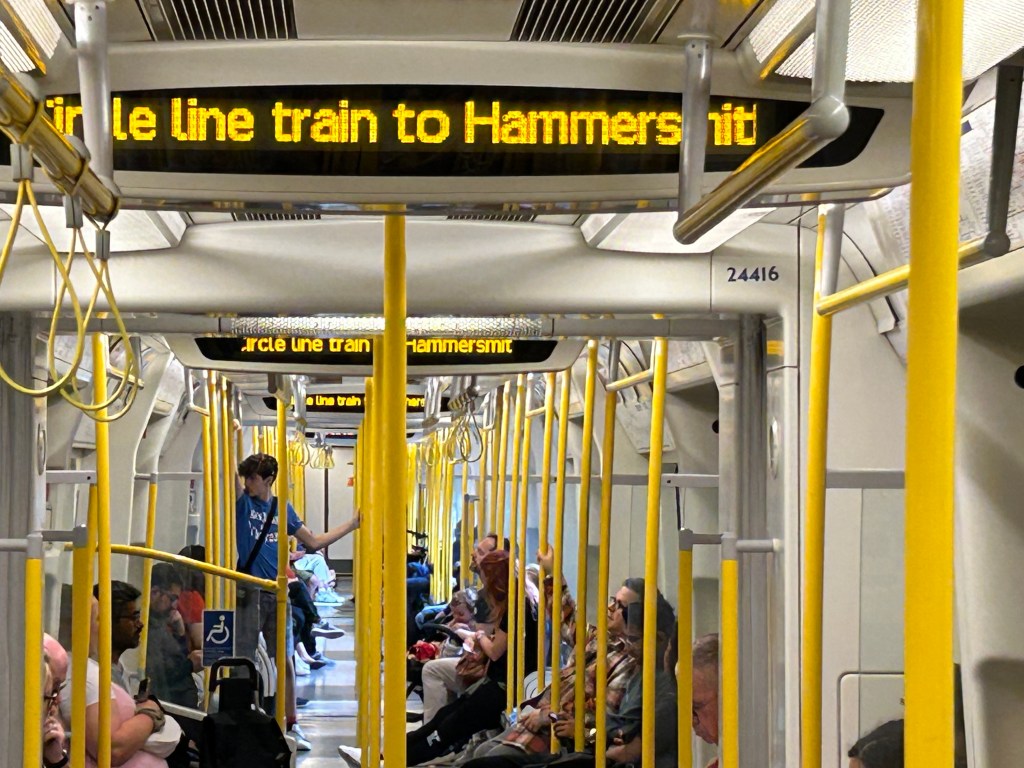
As she continued her tireless circuit, she came to know each station as a familiar friend, each with its own character and tales to tell.
High Street Kensington spoke with the refined grace of years gone by, her voice echoing with the soft rustle of shopping bags and the cultured tones of museum-goers.
“I am the gateway to palaces and gardens,” she would declare, “the keeper of the city’s elegance.”
Paddington, robust and bustling, would laugh heartily, a deep rumble from his cast-iron belly.
“I am the crossroads of the world, mate!” he’d boast. “From here in Isambard’s grand cavern adventurers set forth out into England and the world, and weary travellers return to the warmth of home.”
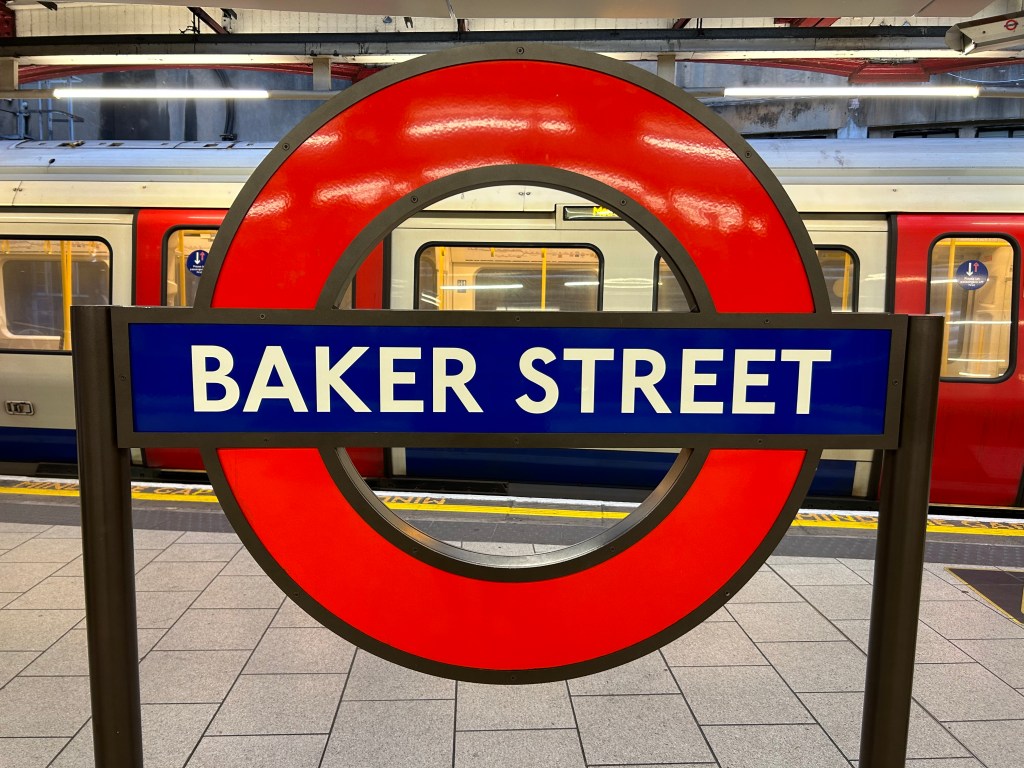
Baker Street, ever the sleuth, whispered secrets of the Underground’s mysteries.
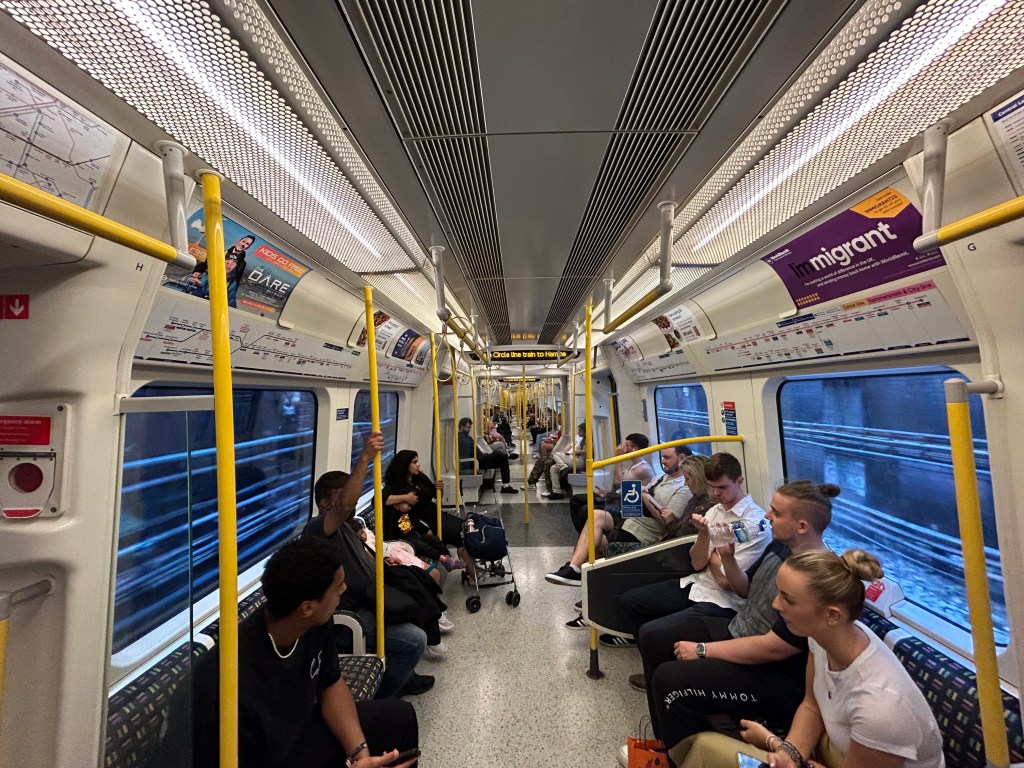
“I’ve seen more than most,” he’d murmur. “Every shadow, every footfall tells a story to those who listen. See that man there, with the backpack and the jewellery on his wrists? He is a traveller. He has seen incredible places and watched the lives of many. And even though his head is wrapped in the music of his headphones, he is still observing the stories of the Circle Line.”
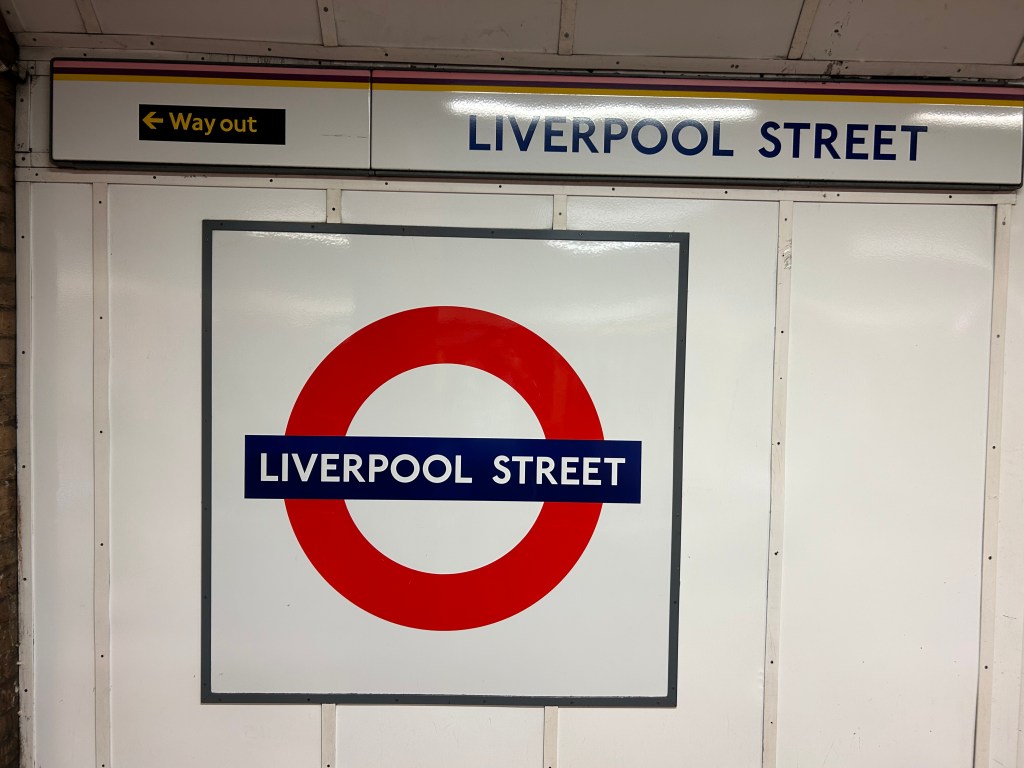
Liverpool Street, a hive of ceaseless energy, buzzed with the sharp tang of commerce and trade.
“I pulse with the lifeblood of enterprise and commerce,” she’d chime, the constant flow of suits and briefcases a testament to her claim.
And then there was Tower Hill, standing sentinel by the ancient stones of the Tower of London, his voice a low and solemn chant.
“I guard the history of our city,” he intoned, “Each stone and echo is a chronicle of our past.”
As the train slid into each station, her doors would open with a hiss, and the lives of countless souls would intertwine for a brief moment.
The Seats, upholstered and weary, would grumble, “We cradle the city’s burdens, offer rest to the tired and the laden.”
The Wheels, turning endlessly, would sing of speed and precision. “We are the swift heralds, bearing the Circle Line’s message of unending service, round and round, world without end.”
As she continued her eternal loop, the Circle Line train marvelled at the legacy she had inherited.
“I tread a path laid down by visionaries,” she said aloud, her voice echoing through the darkened tunnels. “The very first of our kind, the Metropolitan Railway, unfurled its iron ribbons beneath the city streets in eighteen sixty-three, igniting a revolution of steam and steel.”
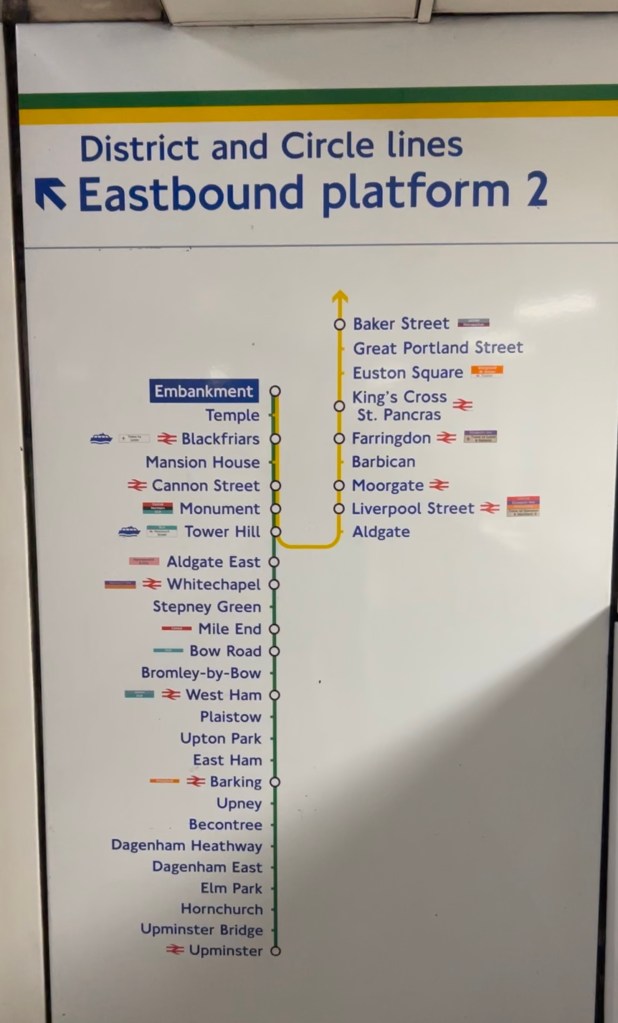
At each station, the whispers of the past were almost palpable. Farringdon, with its Victorian charm, spoke of the days when steam engines chugged through its platforms, cloaking passengers in a mist of industry.
“I am the birthplace of it all,” it would say proudly, its walls resonating with the echoes of history.
South Kensington, ever the patron of progress, would recount tales of the Great Exhibition, where the seeds of innovation were sown.
“Through me,” it proclaimed, “flows the spirit of discovery that fueled the expansion of this great network…and the Empire beyond”
Notting Hill Gate, with a twinkle in its eye, would remind them of the days when lifts were operated by steam power, a novelty that charmed and awed the citizens of the Victorian metropolis.
“I’ve lifted the spirits and bodies of many, a dance of ascent and descent,” it chuckled.
The train, feeling the weight of her heritage, would listen again to the words of The Electric, a newcomer compared to The Steam, who spoke of progress.
“I am the force that brought light to the darkness, speed to the weary journeys,” it would buzz, a hum of clean energy propelling the train forward.
As she glided near the surface, the train could sense the ghostly presence of the long-closed British Museum station, its secrets buried like the treasures displayed above had been buried.
“I am a hidden chapter,” it would sigh, “a reminder that not all that starts will continue.”
And so the Circle Line train became a custodian of memories, a chronicler of the passage of time. She saw herself as a thread in the tapestry of the city’s grand narrative, each station a story, each track a testament to the undying spirit of London’s subterranean heart. With every revolution, she honoured the past and embraced her role in the sprawling saga of the world’s oldest underground.
And through it all, the train—our Circle Line train—began to understand. With each stop and start, with each new face and farewell, she was not just a vessel of transport but a vessel of stories, carrying within her the heartbeat of London.
She was the Circle Line train, travelling on a loop unbroken, each station a jewel in her crown, each journey a chapter in her ever-growing tale.
Author’s Note. This story was inspired by Rudyard Kipling’s short story “The Ship That Found Itself” from his collection of short stories titled The Day’s Work, published in 1898. The Circle Line was written with help from my digital assistant Georgie Thompson.