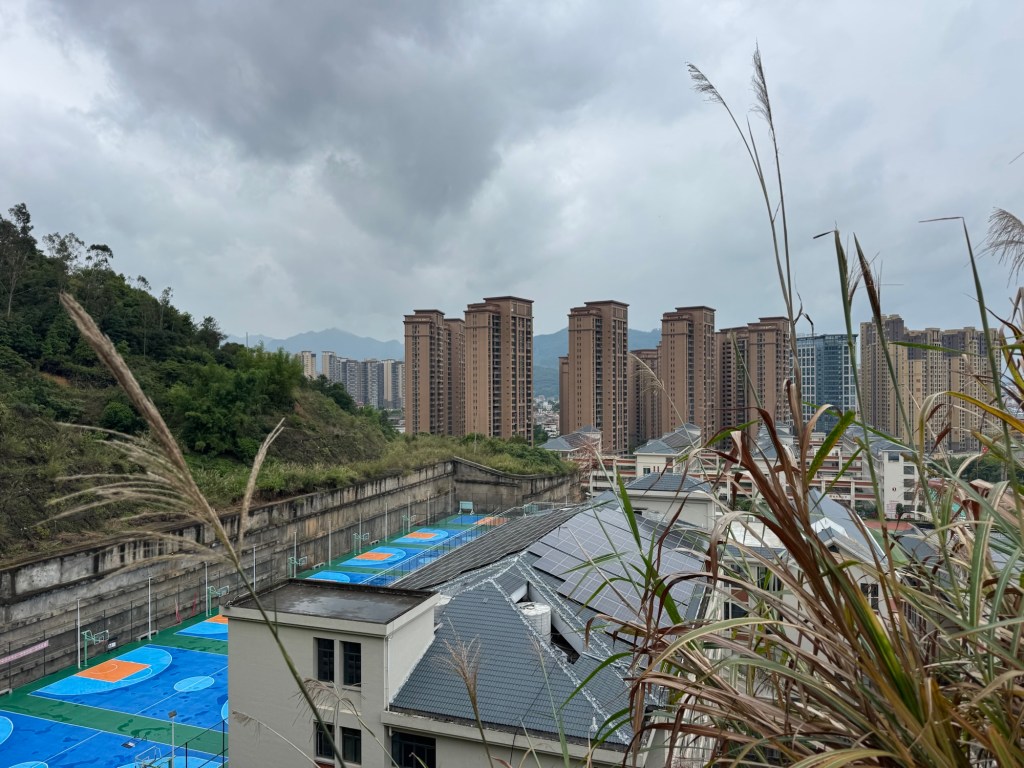
The city sprawls up every gully, every riverside, every flat piece of land that can hold a foundation. Towering apartment blocks rise like stalagmites, a second forest, concrete and glass, their balconies hung with laundry, their windows winking in the grey light. They cluster, they crowd, they climb the lower slopes of hills that once held only bamboo and silence.
Behind them, a backdrop: green sawtooth ridges, their peaks irregular as a child’s drawing of mountains, rising against a sky that is heavy and grey; full of rain and humidity, full of water that has not yet decided to fall. The ridges are older. They do not compete with the towers. They simply are, patient as always, indifferent to the sprouting of stalagmite cities at their feet.
But it doesn’t take much to leave it all behind. Just a side road. Just a turn I didn’t plan, a path that looks like it leads nowhere. Just the willingness to walk away from convenience and certainty and the glow of phone towers.
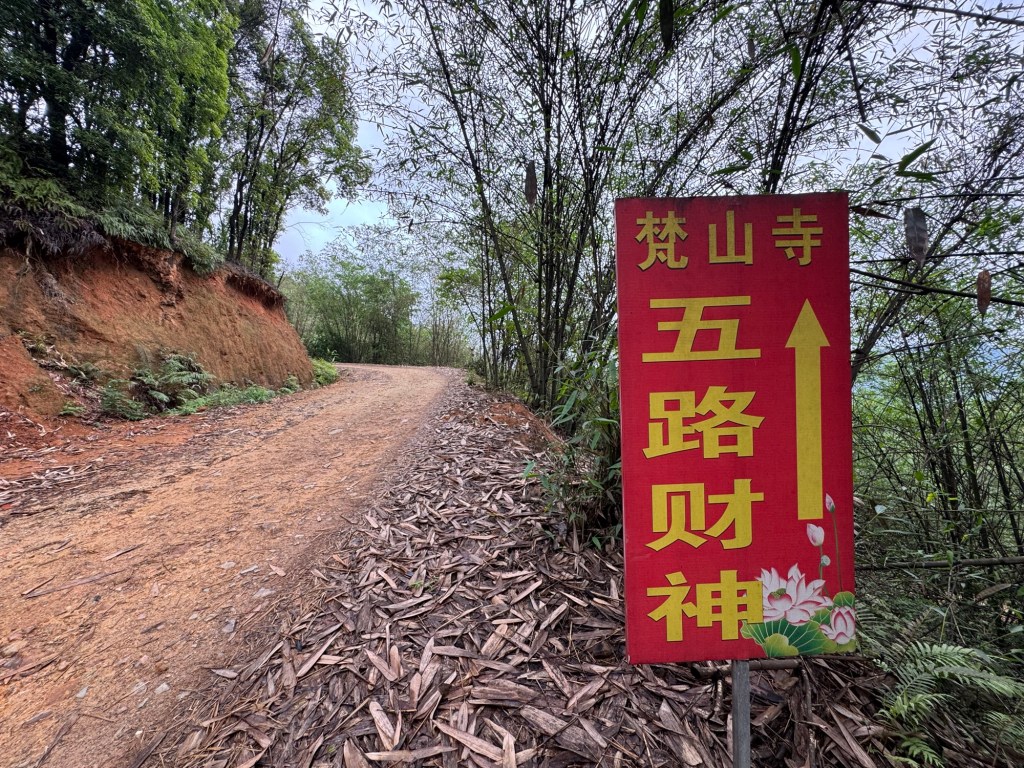
The road winds upward, past the last construction site, past the last billboard, past the last scooter repair shop with its oil stains and its sleeping dog. And then: bamboo. A forest of it, trunks pale green and ridged, leaves whispering in a language that doesn’t need translation.
The sky overhead is grey and damp. Not raining, not yet. Just holding the possibility of rain, the way a mouth holds a word it may never speak.
The apartment blocks are gone now. The city hum has faded to a memory, a low vibration in the bones that will take hours to dissolve. The stalagmites have receded into the haze. Only the sawtooth ridge remains, and even that feels farther away now, less a wall than a suggestion.
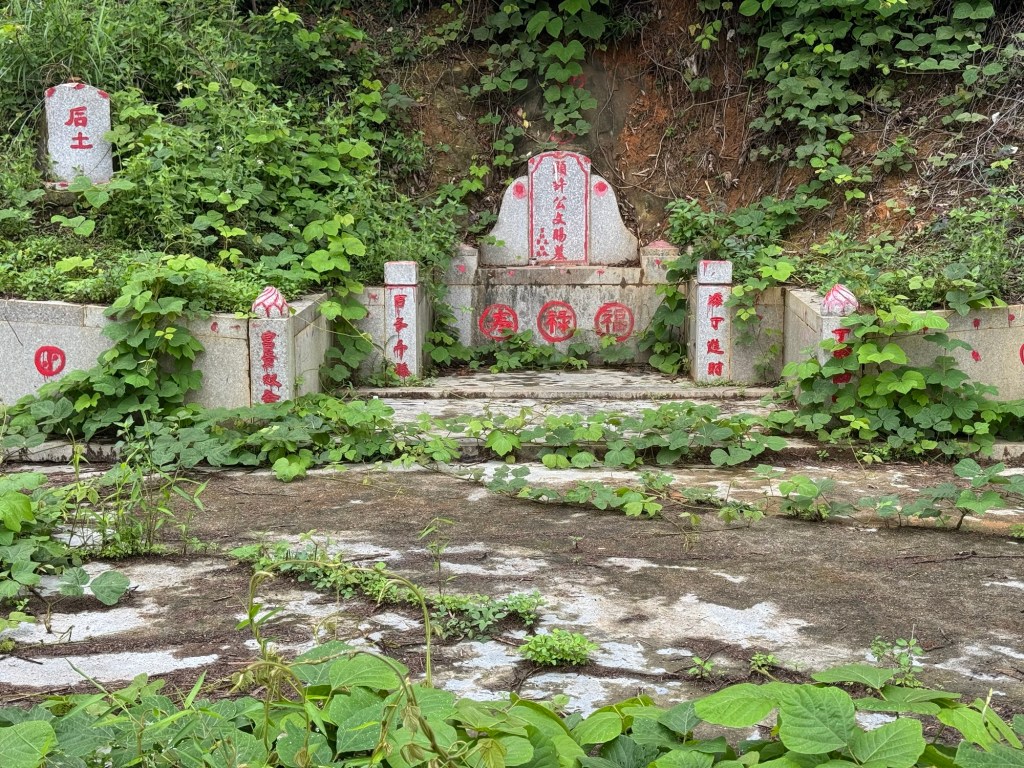
In the place of towers and traffic, the creak of crickets, the crow of a rooster. And beneath both sounds, holding them, the silence of the Chinese agricultural landscape.
I stand still. I do not take a photo. I do not write in my notebook. I just listen. These are the places where the real stories come from. Not the cities, though the cities have their tales, bright and loud and tangled. Not the famous sights, though the temples and bridges have earned their centuries. But here. In the countryside. On the narrow roads between fields. In the villages that don’t appear in any guidebook, where the only foreigner is me, and the only story is the one unfolding right now, under this sky, in this light.
The stories grow out of the rich Chinese soil. They push up between rows of vegetables. They rise with the mist from the paddies. They cling to the walls of houses that have stood for a hundred years, and to the roots of banyan trees that have stood for longer.
This place is inspirational. That word gets overused, worn smooth by bloggers and Instagram captions. But here, it means something again. It means: I cannot stop writing. It means: every path leads to a sentence. It means: the land itself is speaking, and I am finally quiet enough to hear.
It is revealing. Not just of China, but of me. Of what I need. Of what I have been missing without knowing it. The city dulls something. The countryside restores it. I do not fully understand the mechanism. I only know that after a week of concrete and crowds, walking into this green silence feels like remembering a language I did not know I spoke.
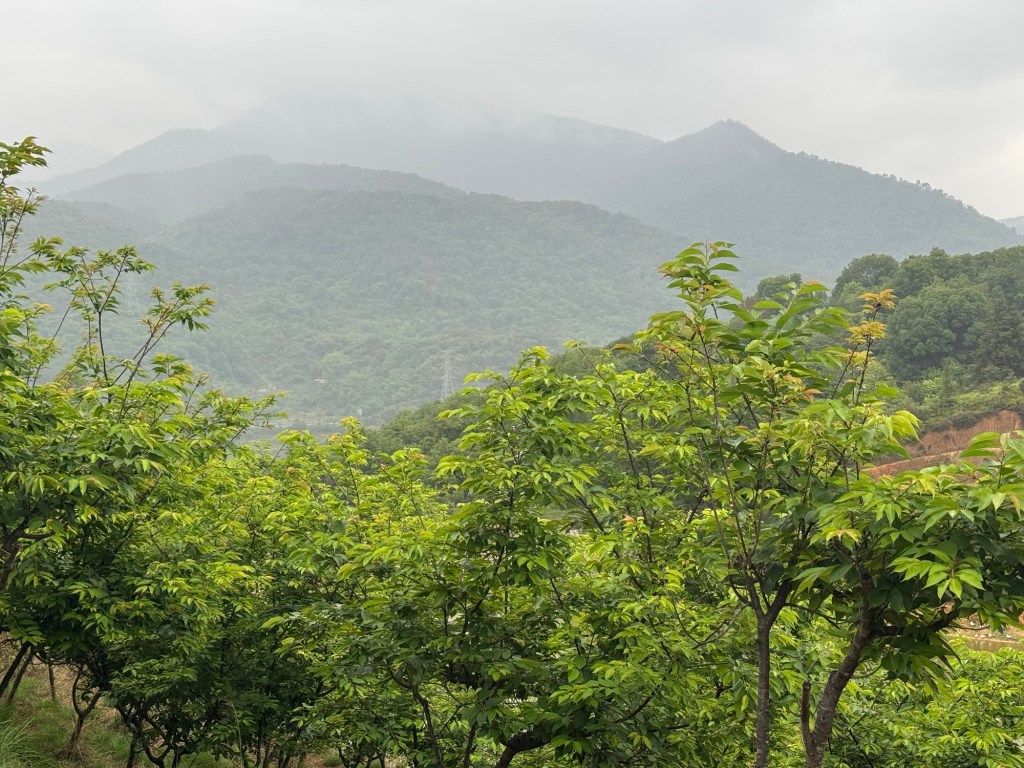
And it is moving. Deeply moving. To be back here. To feel the earth under my feet, not pavement. To see the sky without a high-rise cutting it in half. To breathe air that smells of soil and water and the slow, patient work of growing things. I did not know how much I missed this until I found it again.
I turn and look back, just once. The towers still stand; they are not going anywhere. But they are no longer my world. My world, for this hour, is bamboo and damp earth and a sky so full of rain it might burst at any moment.
The crickets creak. The rooster crows—once, twice, a third time for certainty—though it is not morning and there is no reason for a rooster to be here. But here it is. Here its voice is.
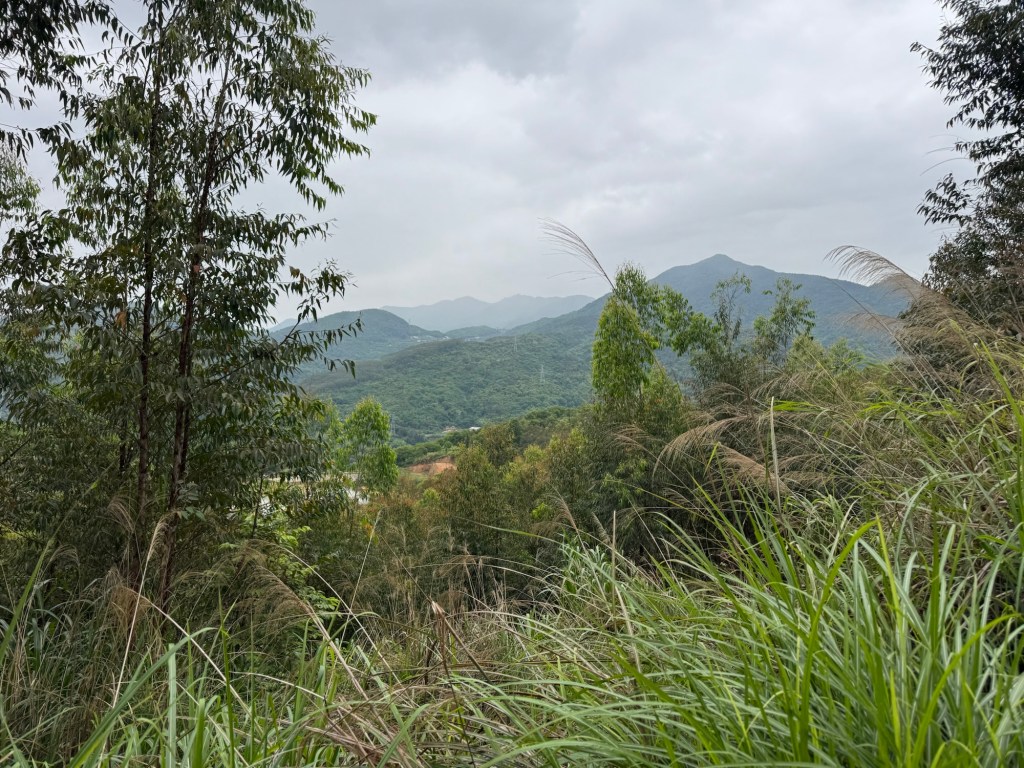
The silence waits. It is not an empty silence. It is a full one. It contains the weight of centuries, the patience of farmers who have worked this soil since before the first apartment block was even imagined. It contains the drip of water from a bamboo leaf, the soft footfall of a distant ox, the breath of a traveler who finally found the road that leads away.
The real stories come from here. And I am here. And for a few days—or a few hours, or however long this green pause lasts—I will walk this land and let it grow through me.
Then I will write it down. That is the work. That is the gift. That is why I came back.