The road into the hills of Anxi turns like ink poured across parchment. The terraces of tea rise in patient curves, clipped low and dark, following the folds of the land. Mist lifts from the valley floor as if the earth itself is exhaling. Somewhere below, a scooter whines. Somewhere above, a bamboo flute threads a thin melody through the morning air.
I think of a line from Twelfth Night, Shakespeare’s play about love and identity: “If music be the food of love, play on.”
Up here, the music is not violins in a ducal hall. It is the click of porcelain lids. The whisper of water meeting leaves. The soft percussion of two fingers tapping a wooden table; the old sign for more tea, please. Tap tap. Play on.
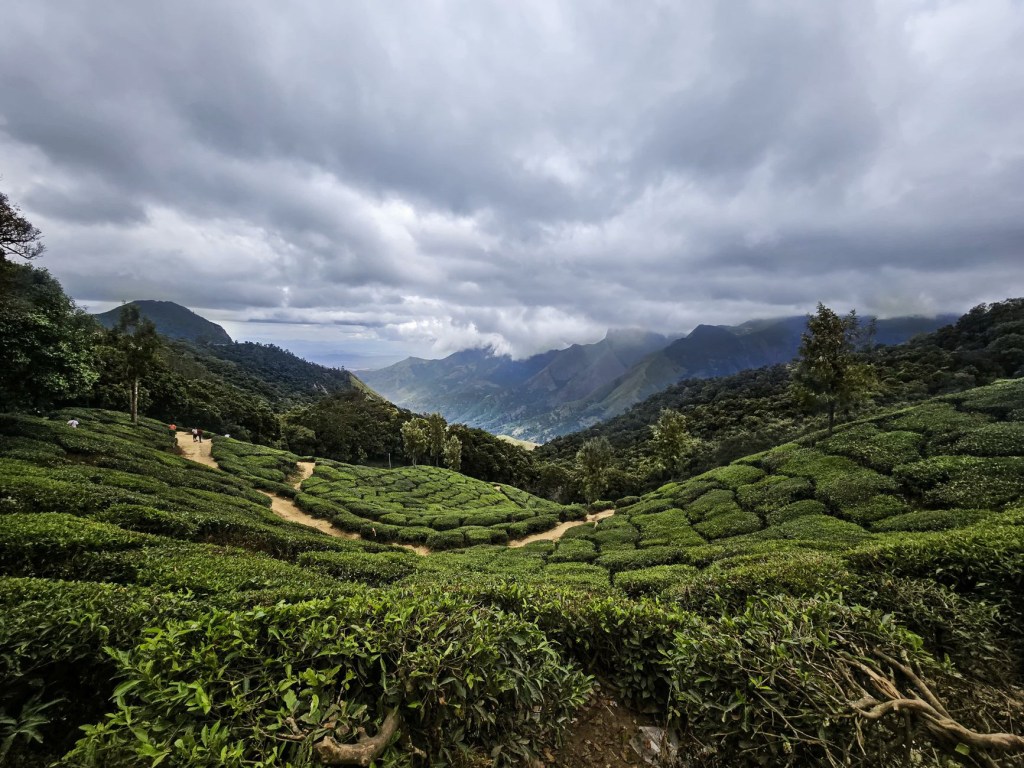
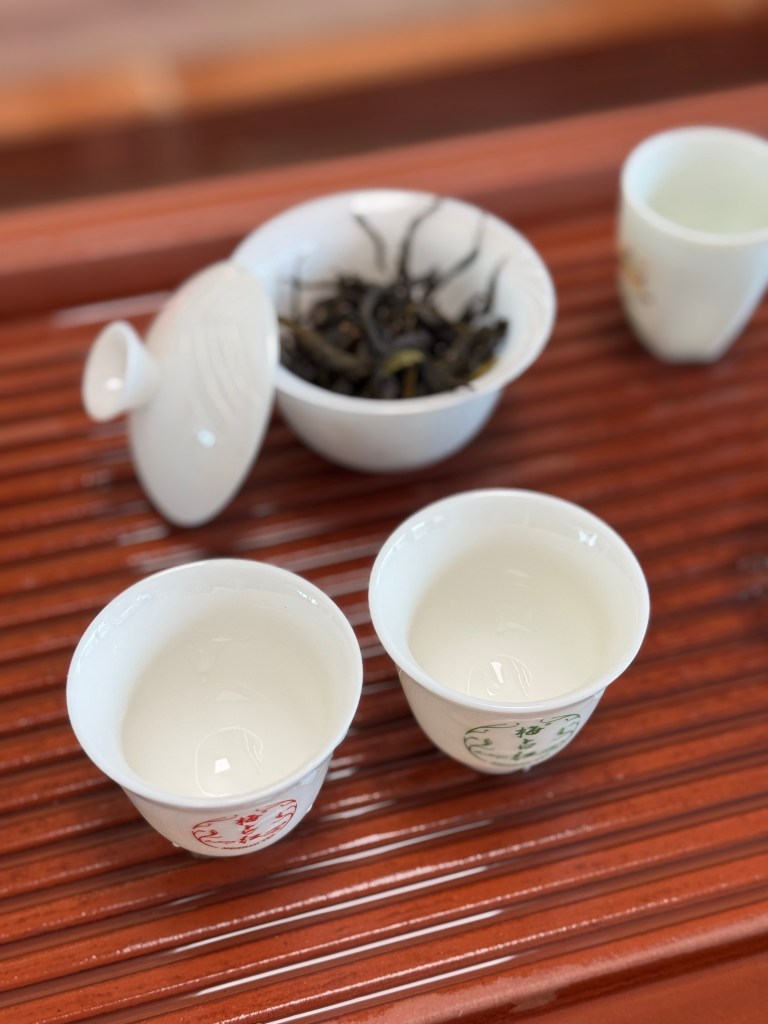
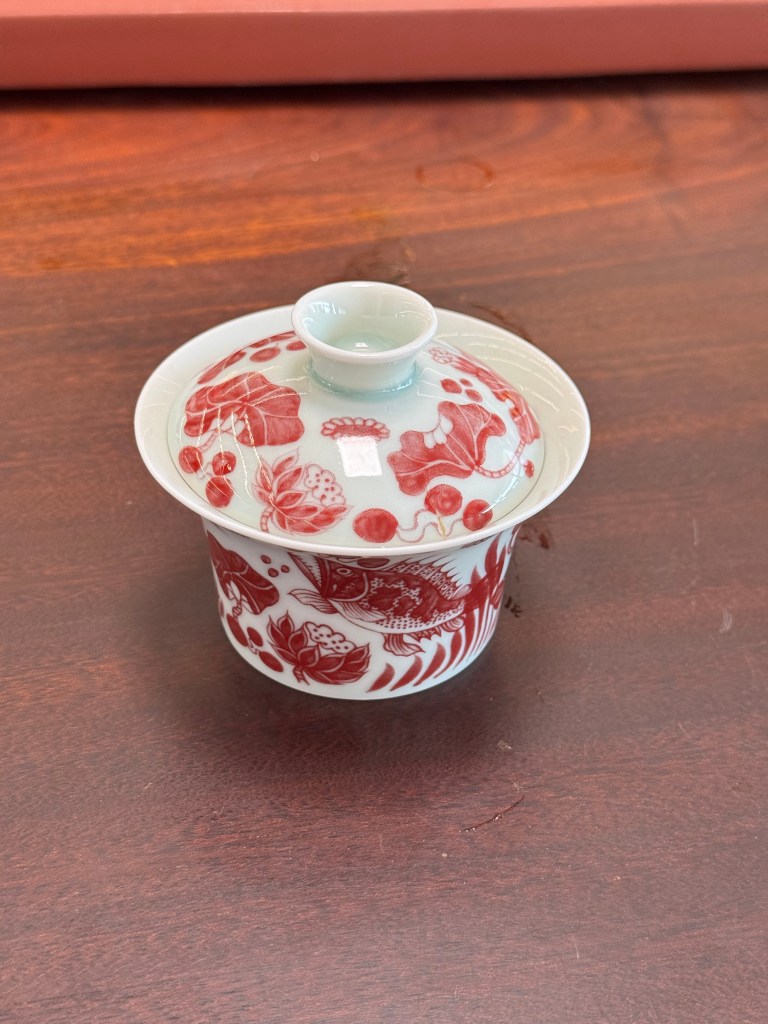
The tea house is little more than timber, glass, and a sloping roof. It perches above the valley like a swallow’s nest tucked into the eaves of the hillside. Inside, the air smells of roasted oolong and damp earth. A charcoal brazier glows in the corner. The woman who runs the place—I never catch her name—moves with practised grace. She rinses the gaiwan. She wakes the leaves. She pours.
I am a traveller here. Which is to say: I am temporarily unburdened. Back home, I am a port supervisor. I work with tide tables, cargo manifests, and radios crackling with instructions. I have spreadsheets, rosters, and responsibilities. Here, in Anxi, I am simply a man in the hills drinking tea. And that is a kind of disguise.
Viola in Illyria took on the name Cesario to survive. She stepped sideways into another self. Travel is like that. It’s a kind of disappearing act that allows something gentler but related. You step out of the fixed lines of your life and draw yourself in pencil instead of ink. You become provisional, unencumbered, free.
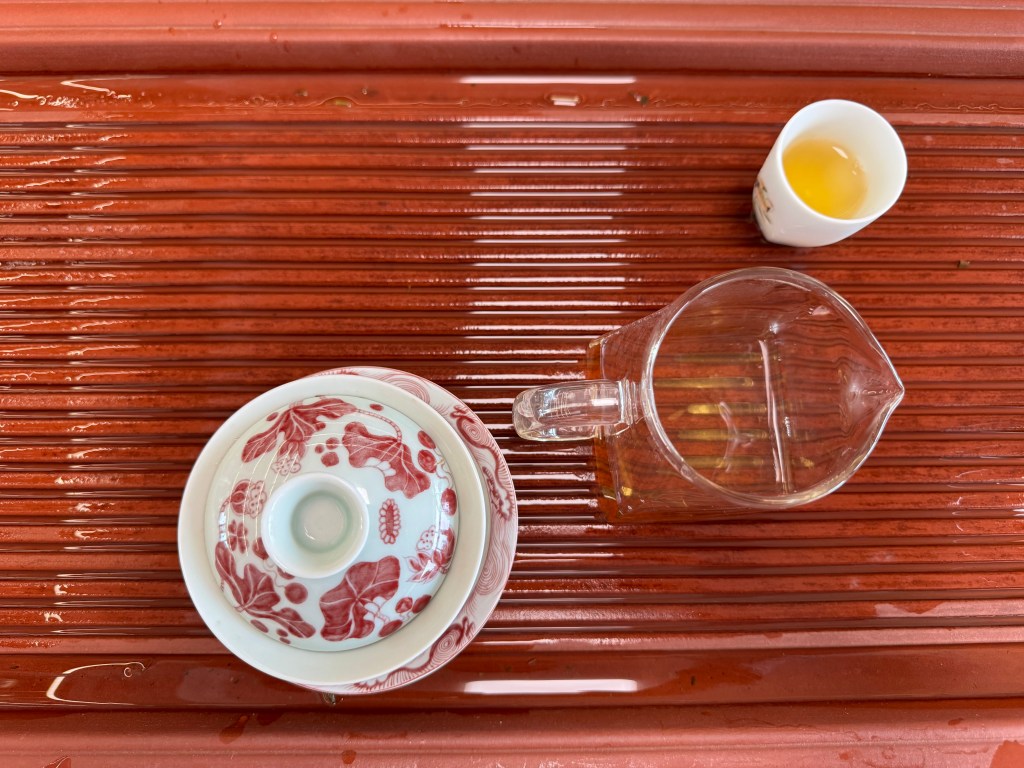
The first infusion is tight. Structured. Nutty, mineral, faintly floral. The second loosens. The third opens like a gate. The woman smiles when I attempt my Mandarin. I stumble. She corrects me lightly. I exaggerate my gratitude.
We both play our roles. I am the curious foreigner who loves tea and philosophy. She is the patient custodian of a thousand-year craft. We meet somewhere between performance and truth.
“If music be the food of love, play on.”
The music now is steam rising from porcelain. It curls unpredictably. Brownian motion made visible. Entropy in a teacup. I watch it wander and think how travel feels like that: a drifting upward without a fixed destination, shaped by currents you cannot see.
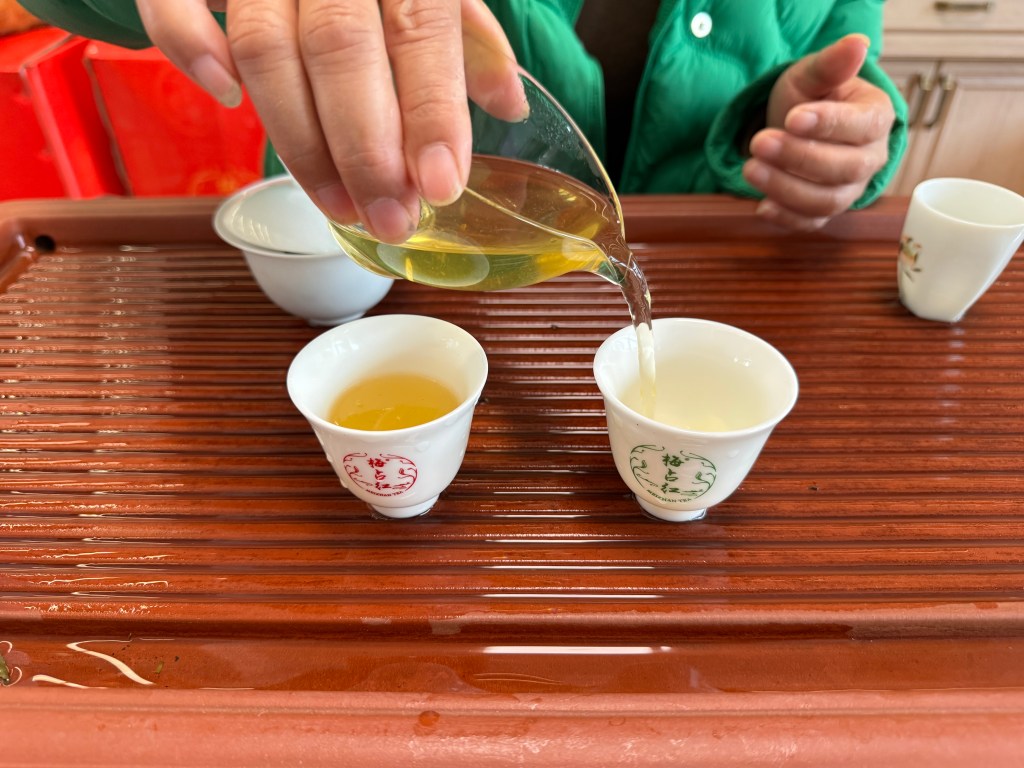
There is a young couple at the table beside me. He pours for her carefully, both hands steadying the fairness pitcher. She laughs when he spills a drop. They lean in close. Their conversation is quiet, conspiratorial.
“Journeys end in lovers meeting.” In the play, Feste sings that line lightly, but here it lands differently. How many journeys have led to this small wooden table? His from another province. Hers from the valley below. Mine from the far side of the Pacific. We have all converged here because of the leaves grown on these slopes.
Travel is not only about movement across space. It is about the small collisions that occur when trajectories intersect. Sometimes those collisions are romantic. Sometimes intellectual. Sometimes simply a shared glance over steam. Sometimes the lover you meet at the end of the journey is not another person at all. Sometimes it is yourself.
In Anxi I notice things I overlook at home. The angle of light on tiled roofs. The geometry of terraces. The patience required to brew tea properly, not rushed, not distracted. I speak more softly here. I listen more.
The persona I take on in these hills is not false. It is simply a different emphasis. The contemplative side steps forward. The logistician recedes. The shepherd stirs again in the quiet; the young man alone in high country, attuned to wind and weather.
Disguise, Shakespeare reminds us, can be a “wickedness.” It can create confusion, but it can also reveal what was always present. Viola’s disguise ultimately allowed her truth to surface. My traveller’s disguise does something similar.
Outside, the mist thins. Sunlight begins to strike the upper terraces. The hills seem suddenly precise, almost architectural; order imposed upon wild land. And yet beneath that order, entropy hums on. The tea leaves will oxidise. The steam will disperse. The couple will leave. I will descend the twisting road back toward the city. Eventually, I will board a plane and return to my tides and manifests.
“The rain it raineth every day.”
Feste ends the play with that reminder. Life resumes. Responsibilities reassert themselves. But something remains altered. Journeys do end. Lovers do meet. Identities do untangle. For a few hours in a tea house in the hills of Anxi, I am not defined by my job title, my age, or the weight of accumulated years. I am simply present. Curious. Open.
“If music be the food of love, play on.”
The woman refills my cup. I tap two fingers on the table in thanks. The steam rises again, wandering, uncontained, briefly free. So am I.


 TravelWriterLife