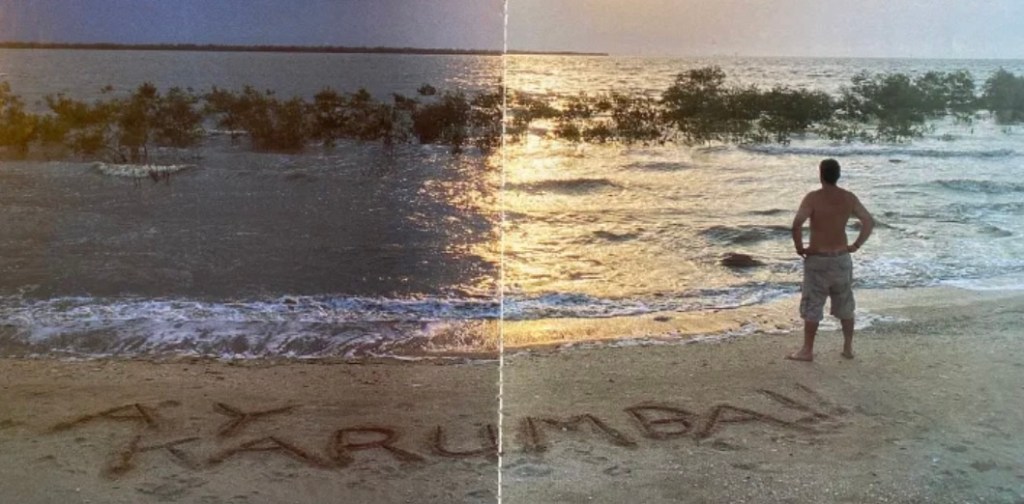
You’re in far Karumba,
Distant just like Cairns.
And I can’t believe this feeling,
Sorta wish that I was there,
Every passing day…
– Goanna, Every Passing Day
I have always carried a map of the world in my head. It is not an especially reliable map. The distances are sometimes wrong, the roads have changed, and places that were once important have disappeared altogether. But there is another map, one that has remained remarkably accurate throughout my life. It is drawn in music. I can hear a song and know almost immediately where I was when I first heard it. Not simply the country or the town, but the room, the weather, the quality of the light. Sometimes I remember the people who were there. Sometimes I remember how I felt about them. And occasionally, with a clarity that seems almost impossible after so many years, I can remember the person I was.
Music has become an aural record of my movements through the world. When I was a shepherd in the high country on The South Island of New Zealand, the radio was often my only connection to a world beyond the mountains. Reception was unreliable. Stations faded in and out as the weather changed, and the music came through a wash of static, sometimes clear enough to recognise a voice or a melody, sometimes disappearing before I could discover what I was listening to. There was no internet, no streaming service, no little device in my pocket that could identify a song in seconds. If I heard something I liked, I had to remember it and hope that one day I would hear it again. And sometimes I did.
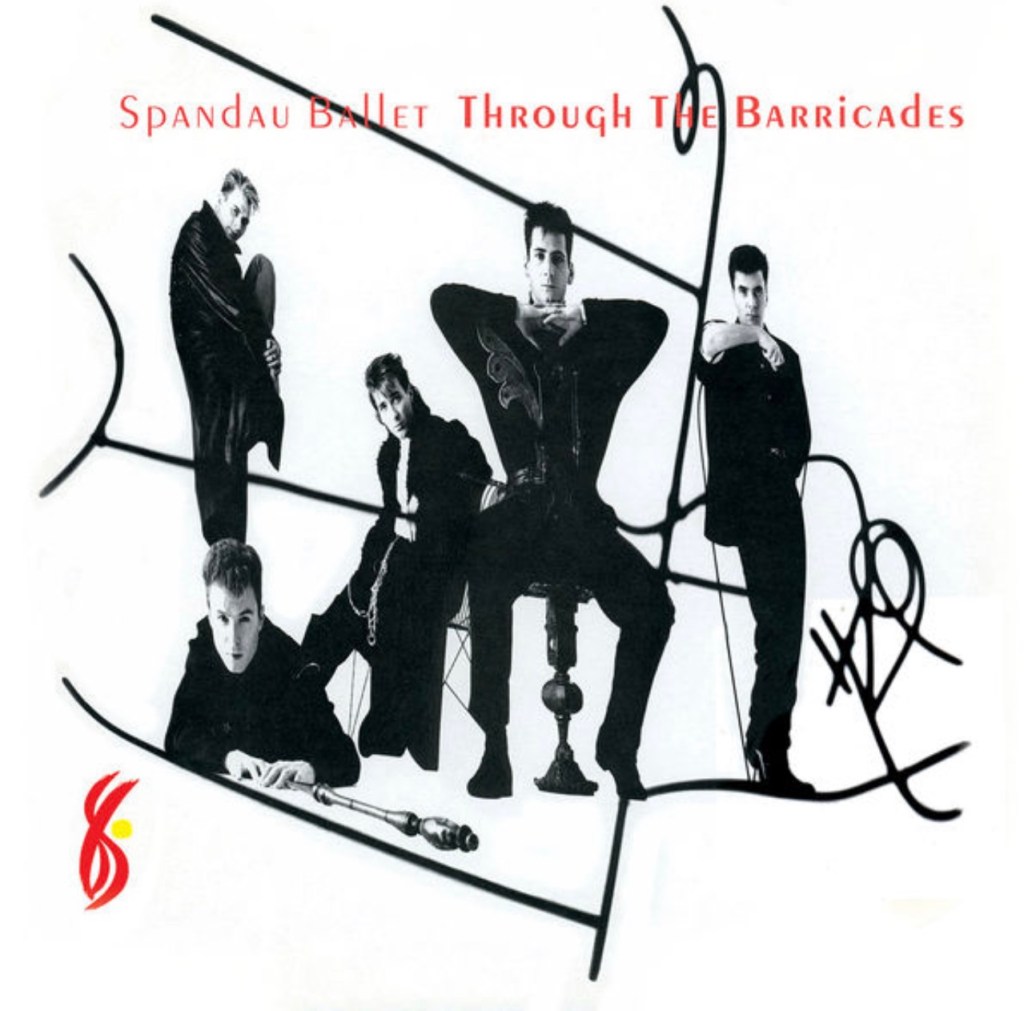
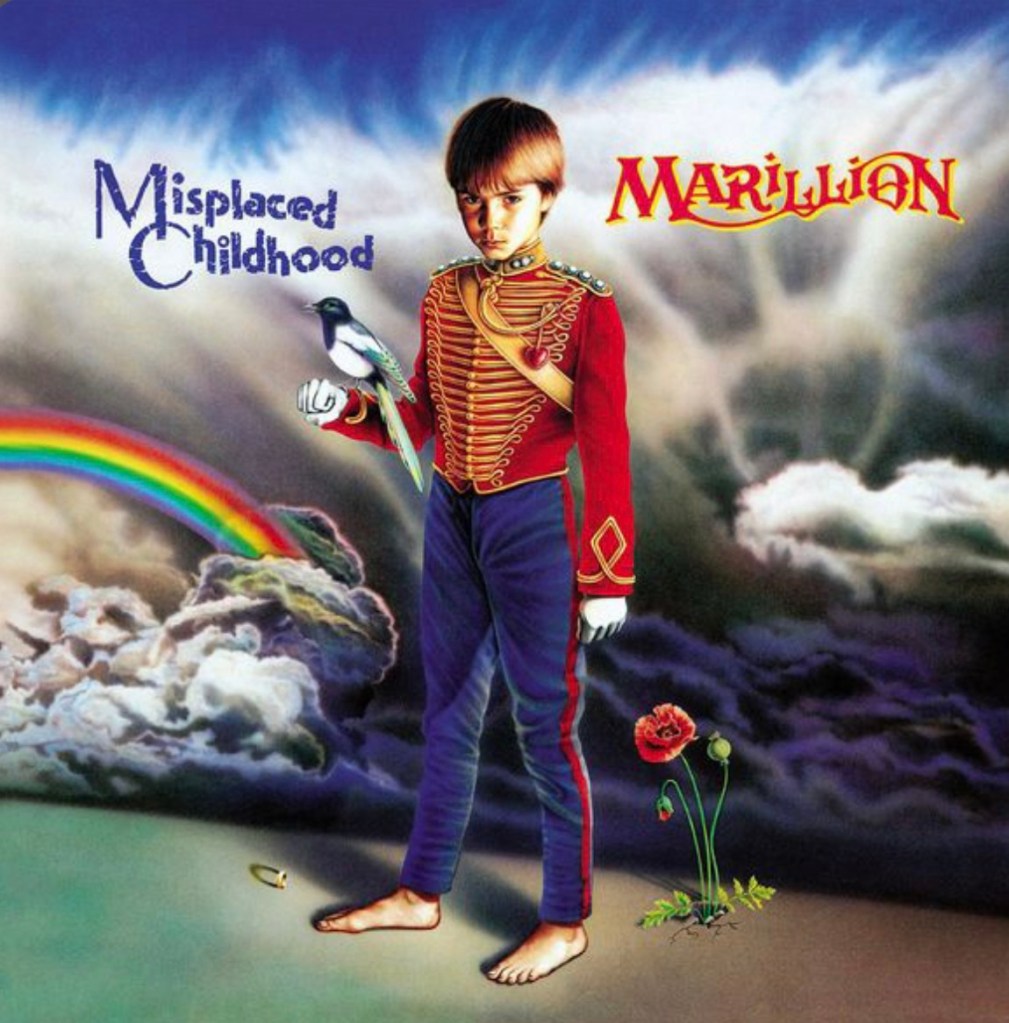
I remember hearing Spandau Ballet’s song Through the Barricades while shepherding at Dry Creek in 1987. The song emerged from the static of a distant radio station, and something about it caught my attention. I had no way of knowing then that the album would become one of my favourites, or that four decades later those first few notes would still carry me back to that place. Yet they do. The years between seem to collapse, and for a few minutes I am a young shepherd again, living in the mountains, with much of my life still ahead of me. Other songs have performed the same trick. Marillion’s ballad Kayleigh, Chris Rea’s haunting Chisel Hill, and countless others entered my life through the uncertain reception of distant radio stations. There was something almost accidental about these discoveries. I wasn’t searching for them. They arrived unannounced, sometimes barely audible, and became part of the permanent furniture of my memory.
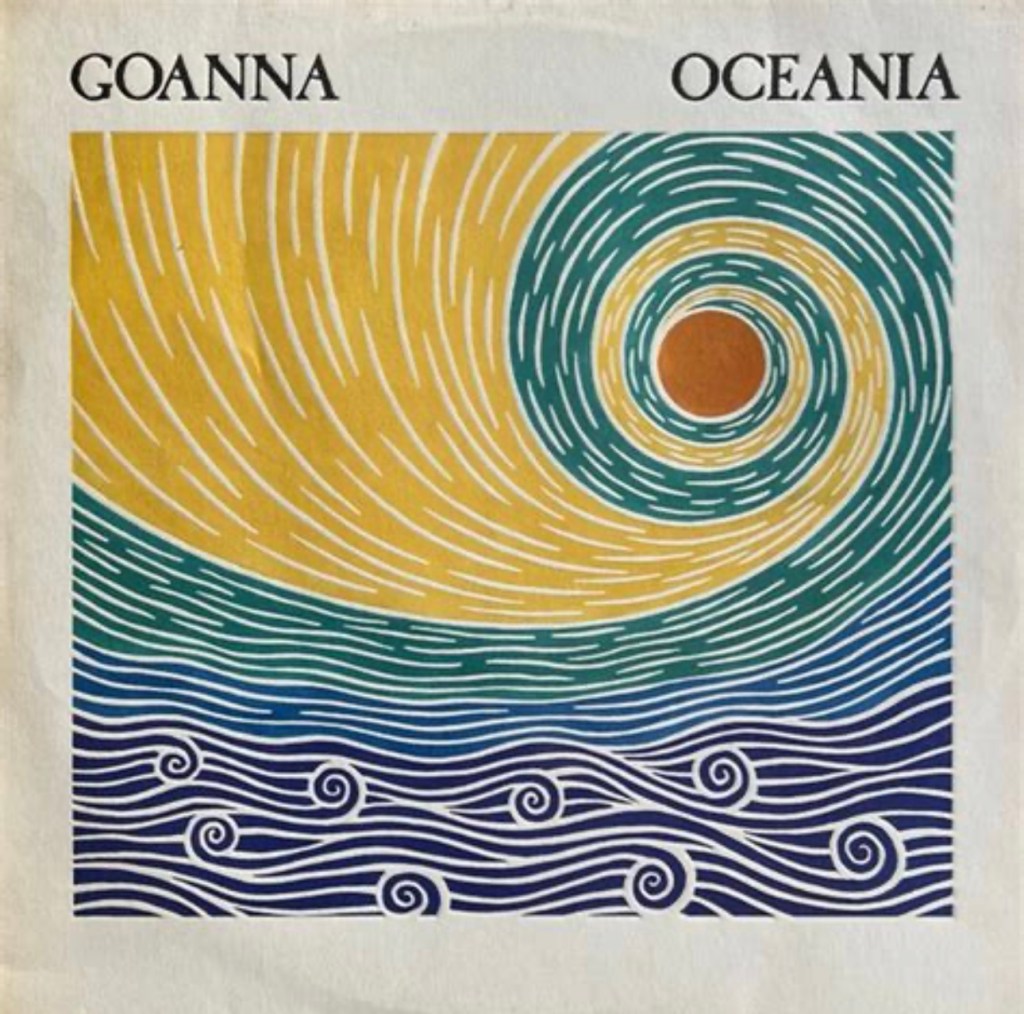
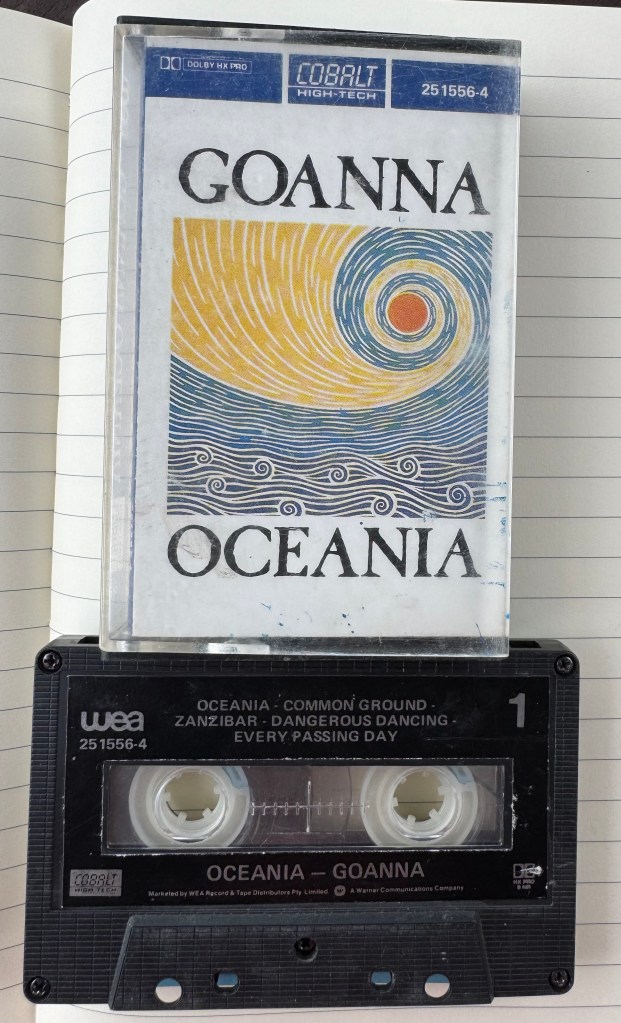
Perhaps the static itself was important. There was a sense of discovery in pulling a song out of the noise, of finding something beautiful in a signal that had travelled hundreds of kilometres to reach me. Music was not endlessly available. It had to be found, purchased, borrowed, recorded or, occasionally, simply remembered. In 1985, I bought a cassette copy of Goanna’s album Oceania at a record store in Timaru. I played it so often that the tape eventually became worn, damaged and so spliced together that parts of it were almost inaudible. But I knew every song, every transition, every pause between tracks. The album became part of the landscape of those years, as familiar as the roads I travelled and the mountains upon which I worked. One song in particular, Every Passing Day, affected me in a way I have never been able to explain. I still consider it the finest song ever written, although I’d struggle to construct a convincing argument for that judgement. Music is not always susceptible to reason. Sometimes a song simply finds its way into a part of us that cannot be reached by anything else.
The song mentioned Karumba, a small settlement on the Gulf of Carpentaria in northern Australia. At the time, Karumba was little more than a name to me, somewhere impossibly distant from the cold mountains of Canterbury. But the name remained in my imagination, attached to the song, until eventually I wound up there. I travelled to Karumba in 2004 simply because of a piece of music I’d first heard almost two decades before. I wanted to see the place whose name had been carried across the Tasman Sea and into my shepherd’s quarters so many years earlier. I found a hot, remote settlement beside the Gulf, with mangroves, fishing boats, crocodiles and a tropical sky that seemed to occupy half the world. I went fishing, watched a storm gather over the coast, and experienced the peculiar satisfaction of standing somewhere that had existed in my imagination long before it became a physical place.
Later, I wrote a travel story about Karumba called Under the Sun which won a Qantas Media Award. I sometimes think about the improbable chain of events that led to that piece of writing: an Australian musician recorded a song, a young New Zealand shepherd bought a cassette, a place name lodged in his imagination, and eventually he travelled thousands of kilometres to discover what lay behind it. Music had not merely preserved a memory. It had created a destination.
There is another aspect of this that I have come to understand only recently. I am particular about the versions of songs I listen to. Remixes and remasters may be technically superior to the originals, but they often leave me strangely unmoved. The instruments have been rearranged, the balance altered, the bass lines or drums made more prominent, the synth melodies faded down, or some small detail has been polished away. To another listener, the difference might be insignificant. To me, it can be enough to break the connection. I do not necessarily want to hear the best possible version of a song. I want to hear the version I remember.
The same applies to albums. When I recently downloaded Oceania from a streaming service, I discovered that the tracks were arranged in a different order from the cassette I had owned forty years earlier. All the music was there, but the album felt wrong. So I made a playlist and rearranged the songs into the sequence I remembered. Immediately, the old familiarity returned. I knew which song would follow another, where the mood would change, and when the opening notes of a particular track would emerge from the silence. The album had regained its shape. I had restored something that mattered to me, although I would have difficulty explaining precisely what it was.
Perhaps this is because human memory is not arranged alphabetically or according to popularity. It follows its own sequence, and music becomes one of the ways we navigate it. An album heard repeatedly during a particular period of life acquires a structure that belongs as much to the listener as to the musician. Change that structure and the songs remain, but the journey through them is different. Streaming has made almost the entire history of recorded music available at the touch of a screen. I can listen to an album recorded before I was born, discover an obscure artist on the other side of the world, or revisit a song I have not heard for decades. It is an extraordinary privilege, one that the young shepherd listening to his radio at Grampians or Dry Creek could scarcely have imagined. Yet something has been lost in the process. Music is now so readily available that discovery can feel less like an accident and more like a transaction. Algorithms anticipate what I might enjoy. Playlists assemble songs according to mood, genre or listening history. A piece of music can be identified in seconds, purchased immediately and forgotten almost as quickly.
I have come to think of music as a kind of personal archive. Not a carefully organised collection, but a scattered accumulation of moments, places and emotions. Some songs belong to particular landscapes. Others belong to people. A few are attached to experiences so private that I would couldn’t explain their significance to anyone else. And some have acquired new meanings as I have grown older. A song I once associated with a place may now remind me of someone who was there. A lyric that meant little when I first heard it can suddenly become important decades later. The recording has not changed, but I have. That is perhaps the strangest quality of music: it can exist in two times at once. There is the moment in which it was recorded, fixed permanently in sound, and the moment in which we listen to it. Between them lie all the years of our lives. Yet when the music begins, those years can disappear.
I sometimes wonder how much of my past would remain accessible to me without music. The mountains would still be there, the roads and towns and rivers, but many of the small details might have vanished. A particular afternoon, a room in a distant city, the sound of rain against a window, the feeling of being young and uncertain about what might happen next. These are things that photographs do not always preserve. But music can recover them without warning.
And so I continue to collect songs, although I no longer have to wait for them to emerge from a distant radio signal. They accumulate around me, each one attaching itself to another place, another journey, another passing year. Some take me backwards. Others, like Every Passing Day, have taken me somewhere I had not yet been. I cannot know which of the songs I listen to today will still matter to me in twenty years, or what memories they will eventually carry. Perhaps I will hear one in some distant place and remember this moment, just as I now remember the shepherd’s quarters at Dry Creek, the battered cassette, and the static through which so much of my musical life first arrived. The signal was never entirely clear. But somehow, the important things got through.